What resources or learning aids can I use when teaching?
Good teaching has two parts: strong content and what you do with it in the lesson. The Safar textbooks and Teacher's Guides give you the content. The resources below help you bring it to life in the classroom.
Types of resources and activities
Resources can work across different learning styles. Here are examples of each:
- Visual — items you bring in to show students, such as sand or a stone during a lesson on Tayammum, or a toy fish during the story of Yūnus (as); a video of the sun rising and setting to help explain Ṣalāh times.
- Auditory — something students listen to, such as a nashīd, a short speech, or the Safar bedtime stories.
- Kinesthetic — activities students participate in. For example, a card trick in class to explain the concept of illusion and magic during the story of Mūsā (as), or a teacher-led demonstration to illustrate the concept of Istighfār.
- Reflection — quiet reading, Muḥāsabah (self-accountability) or Murāqabah (mindfulness) exercises with students, such as the Concentration in Ṣalāh lesson in the Year 6 textbook.
Where to find ready-made resources?
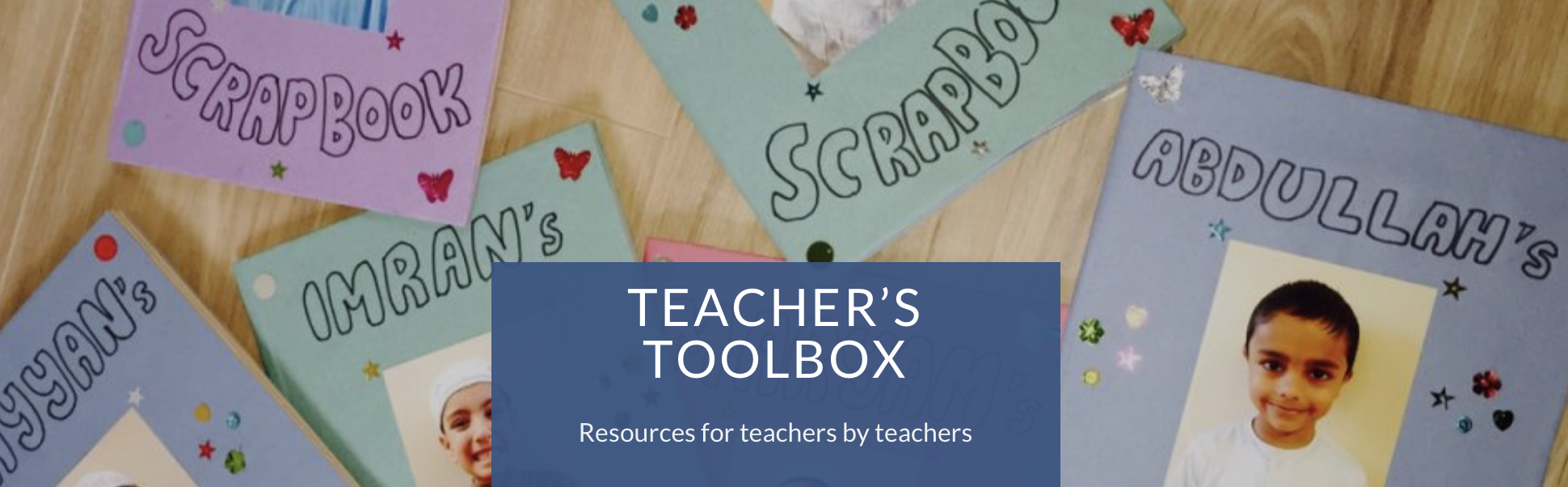
Teacher's Toolbox — teachers from around the world upload classroom resources here regularly. It is free to browse and download.
- Teachers' Guides — each guide contains practical tips and simple activity ideas you can prepare without significant time or cost. The Year 1 Teachers' Guide in particular includes step-by-step instructions for delivering engaging lessons alongside the Year 1 textbook.
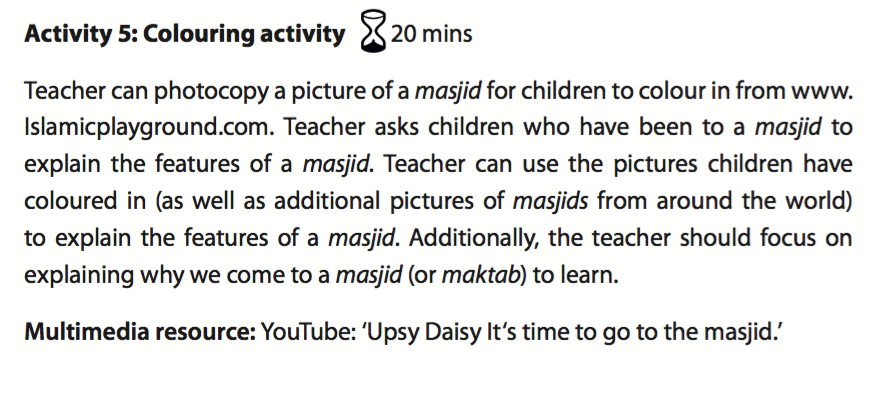
- Classroom activity document — a collection of activity ideas prepared by one of our teachers, covering a range of year groups and topics.